

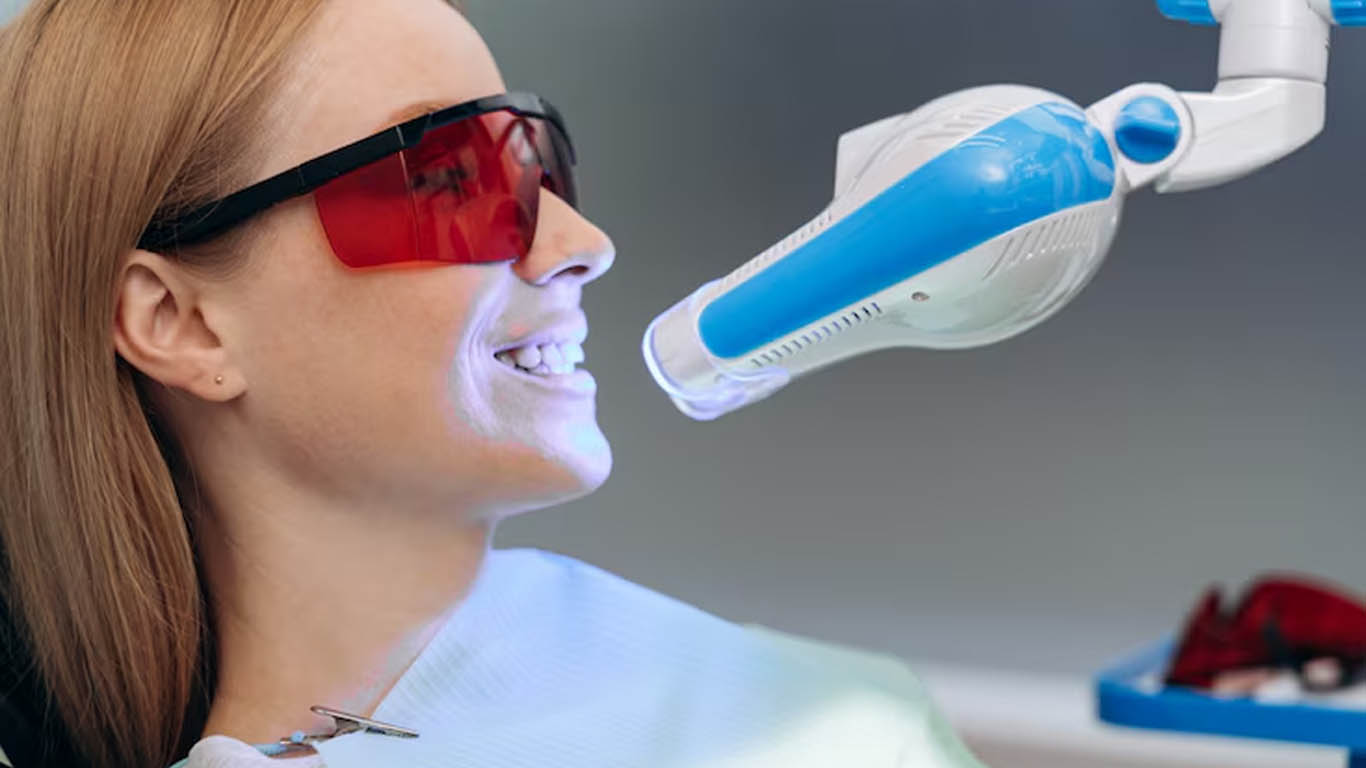
A concise guide to modern laser technologies for dental professionals.
Laser technology has revolutionized numerous dental procedures, offering precision, reduced discomfort, and enhanced healing. As adoption increases across practices, understanding the speci c applications and bene ts becomes essential for the modern dental surgeon.
Hard Tissue Applications
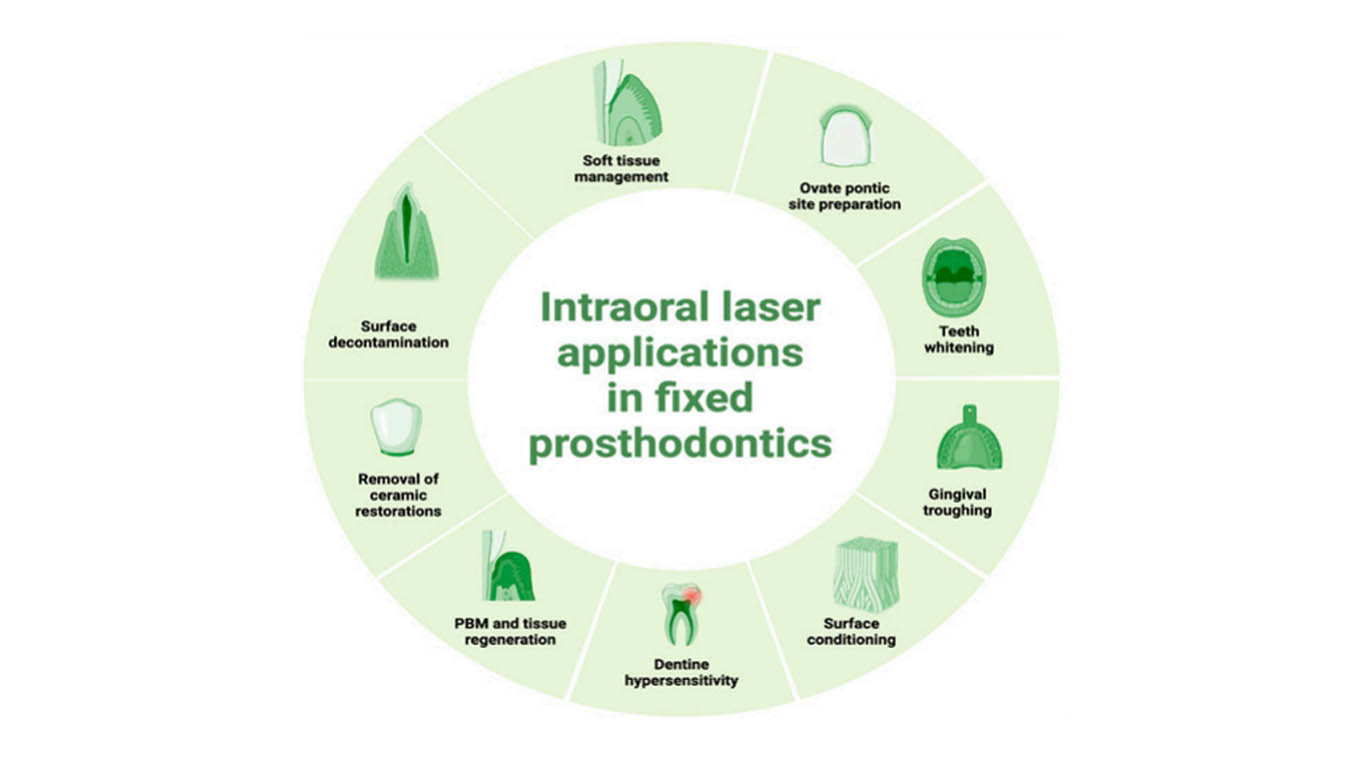
- Selective caries removal with minimal healthy tissue loss
- Enamel etching for adhesive procedures
- Cavity preparation with reduced microfractures compared to rotary instruments
Soft Tissue Management
- Precision gingivectomy and crown lengthening with minimal healthy tissue loss
- Frenectomy with minimal bleeding and post-operative discomfort
- Biological width correction without traditional flap procedures
Emerging Applications
- Low-level laser therapy (LLLT) for temporomandibular disorders
- Photobiomodulation to accelerate healing after surgical procedures
- Laser-assisted periodontal therapy targeting specific pathogens
Clinical Consideration:
Appropriate laser wavelength selection is crucial for speci c procedures—diode lasers (810-980nm) are effective for soft tissue but ineffective for hard tissue, while Er:YAG and Er,Cr:YSGG lasers are versatile for both applications.
Benefits Over Conventional Techniques
- Reduced bleeding due to hemostatic effects
- Minimized post-operative pain and faster healing
- Greater precision with less collateral tissue damage
- Bactericidal effects contributing to better outcomes
- Decreased need for anesthesia in many procedures
As laser technology continues to advance, integration into everyday dental practice becomes increasingly accessible. Understanding the appropriate applications, parameters, and safety protocols is essential for maximizing benefits while minimizing risks.